Understanding Wärmepumps in Altbau Context
As the global consciousness shifts towards sustainability and energy efficiency, many homeowners with older buildings, or Altbau, are considering innovative heating solutions. One such solution is the Wärmepumpe, which harnesses renewable energy sources to provide heating. However, many homeowners wonder: can a Wärmepumpe effectively function in an Altbau? This article delves into the intricacies of using a Wärmepumpe in older homes, addressing common concerns and outlining the benefits, suitability factors, and installation processes required for effective implementation. When exploring options, wärmepumpe im altbau provides comprehensive insights that can help homeowners make informed decisions.
What is a Wärmepumpe?
A Wärmepumpe, or heat pump, is a device that transfers heat from one place to another, primarily used for heating and cooling residential buildings. It extracts thermal energy from the air, ground, or water and transfers it indoors to heat the living space. In the summer, the process can be reversed to cool the environment. Various types of Wärmepumps exist, including air-source, ground-source, and water-source models, each suited for different environments and needs.
Why Consider a Wärmepumpe for Your Altbau?
With rising energy costs and growing environmental concerns, homeowners are increasingly seeking efficient heating solutions. Implementing a Wärmepumpe in an Altbau can significantly reduce reliance on fossil fuels and lower heating bills. Additionally, as governments worldwide push for greener technologies, incentives and subsidies for installing renewable energy systems like Wärmepumps continue to increase, making them an attractive investment for both short-term savings and long-term energy independence.
Common Misconceptions about Wärmepumps in Older Homes
Many homeowners hold misconceptions regarding the feasibility of installing a Wärmepumpe in an Altbau. Some believe that older homes cannot accommodate such technology due to inefficient heating systems or inadequate insulation. However, with appropriate retrofitting and modernization, a Wärmepumpe can be integrated successfully. It is crucial to address these misconceptions to help potential buyers see the benefits of transitioning to renewable heating solutions.
Assessing Suitability for Your Altbau
Before deciding to install a Wärmepumpe, it is essential to assess your Altbau's suitability for this heating solution. Various factors play a significant role in determining whether a Wärmepumpe will meet your heating needs effectively.
Key Factors to Consider for Installation
- Insulation Quality: Older homes may have poor insulation, leading to significant heat loss. Upgrading insulation can enhance the efficiency of a Wärmepumpe.
- Heating Demand: A thorough understanding of your home's heating requirements is vital. This involves calculating the heat loss through walls, windows, and other structural elements.
- Type of Heating System: Existing heating systems may require modifications. High-temperature heating systems may necessitate a different approach than low-temperature systems, such as underfloor heating.
Conducting an Energy Assessment
To determine the suitability of a Wärmepumpe, conducting a comprehensive energy assessment is necessary. This process involves analyzing your home's current energy consumption, insulation quality, and overall heating needs. An energy audit can provide insights into potential upgrades and the most efficient Wärmepumpe options available.
Consulting with Professionals: When to Call an Expert
Given the complexities associated with retrofitting a Wärmepumpe into an Altbau, consulting with heating professionals is often advisable. Experts can help identify the necessary modifications, recommend suitable Wärmepumpe systems, and provide installation services. Seeking professional opinions ensures that your investment is sound and that the system will function efficiently.
The Benefits of Installing a Wärmepumpe
Implementing a Wärmepumpe in an Altbau offers numerous benefits, enhancing both the comfort of your home and financial savings over time.
Cost Savings and Energy Efficiency
One of the primary advantages of using a Wärmepumpe is its energy efficiency. Wärmepumps typically consume less energy than traditional heating systems, enabling significant cost savings on energy bills. Depending on the specific model and installation, homeowners can save between 30% to 60% on their heating costs. As energy prices continue to rise, this efficiency translates to substantial financial benefits over time.
Environmental Impacts of Using Wärmepumps
Wärmepumps are a green alternative to conventional heating solutions. They utilize renewable energy sources and can significantly reduce a home's carbon footprint. By displacing fossil fuel heating, homeowners contribute to a healthier environment by lowering greenhouse gas emissions, thus supporting global sustainability efforts.
Long-Term Value in Property Investment
Investing in a Wärmepumpe not only enhances your home's energy efficiency and comfort but also increases its market value. Eco-friendly homes are becoming more desirable, and properties equipped with sustainable heating solutions may attract environmentally-conscious buyers. Furthermore, potential government incentives for energy-efficient upgrades can further improve the financial viability of installing a Wärmepumpe.
Installation Process and Best Practices
Successfully installing a Wärmepumpe involves a thorough and methodical approach, ensuring optimal functionality and performance in your Altbau.
Step-by-Step Guide to Install Your Wärmepumpe
- Pre-Installation Assessment: Conduct an energy assessment to determine the heating demands.
- Select the Appropriate System: Choose between air-source, ground-source, or water-source Wärmepumps based on your specific needs.
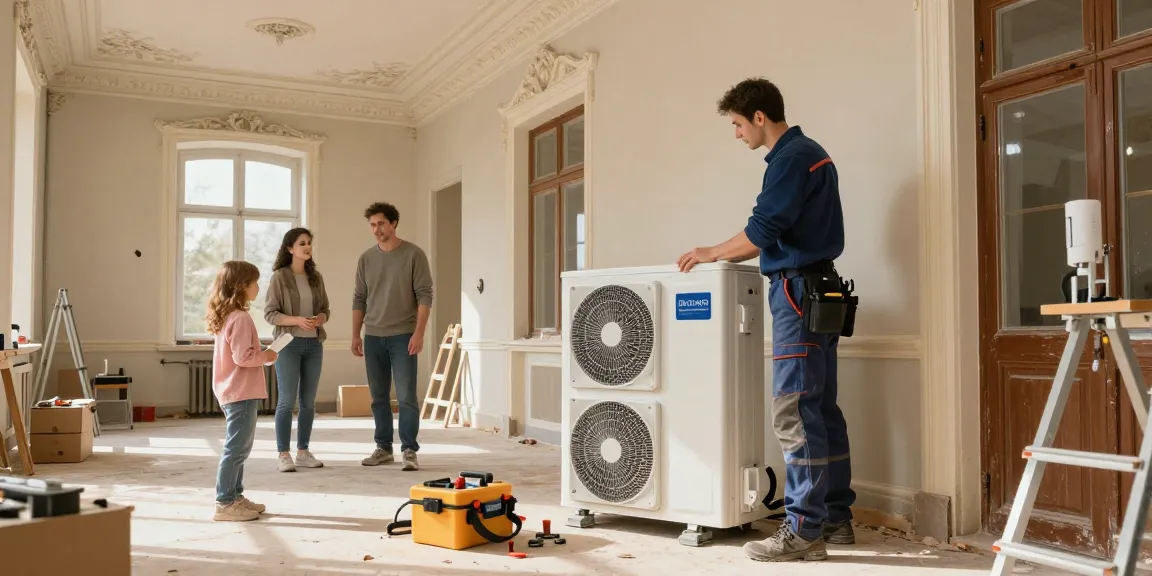
- Install the System: Engage professionals for the installation process, which includes integrating the Wärmepumpe with existing heating systems.
- Test the System: After installation, ensure that the system is tested for efficiency and responsiveness.
Choosing the Right Type of Wärmepumpe
Selecting the best Wärmepumpe type depends on various factors, including the climate, available space, and heating requirements. For example, air-source Wärmepumps are generally easier to install and are suitable for moderate climates, while ground-source models may offer better efficiency in colder conditions but require more extensive ground works.
Post-Installation Maintenance Tips
Maintaining your Wärmepumpe is crucial for long-term efficiency. Regularly check the filters and clean or replace them as needed. Furthermore, schedule annual professional inspections to ensure that the system operates optimally, and address any issues promptly to avoid greater repairs or inefficiencies.
Future Trends in Wärmepump Technology
The field of Wärmepump technology is continually evolving, with innovations aimed at improving efficiency and adaptability, particularly for applications in Altbau settings.
Innovations to Watch for in 2026
Emerging technology trends include improved control systems that enhance energy management and the development of hybrid systems that combine Wärmepumps with other heating solutions, such as solar energy. These advancements aim to maximize efficiency and reduce costs for homeowners.
Emerging Technologies in Heating Solutions
As research continues, new types of Wärmepumps that operate even more efficiently at lower temperatures are expected to emerge. These advancements will be crucial for older homes that may not be designed for high temperature outputs traditionally associated with conventional heating solutions.
Impact of Climate Policies on Wärmepump Adoption
Government policies aimed at reducing carbon emissions will likely promote Wärmepump installations as viable options for achieving energy efficiency goals. As more municipalities adopt stricter emissions standards, the demand for sustainable heating solutions like Wärmepumps is expected to rise.
Can a Wärmepumpe Work with Conventional Radiators?
Yes, a Wärmepumpe can work with conventional radiators; however, it operates most efficiently at lower temperatures, typically between 30°C and 50°C. Consequently, homes equipped with radiator systems may require auxiliary heating sources during particularly cold spells.
Are There Limitations to Using Wärmepumps in an Altbau?
While Wärmepumps can be highly effective, they may encounter limitations in certain scenarios. For example, significant heat loss due to poor insulation can hinder performance. Similarly, structural features such as insufficient outdoor space for air-source systems can pose challenges.
What are the Costs Associated with Installing a Wärmepumpe?
The cost of installing a Wärmepumpe can vary widely based on the system type, installation complexity, and property specifics. On average, homeowners can expect to invest between €8,000 to €20,000, including installation and potential retrofitting costs. Government subsidies may help offset some of these costs, making the transition more affordable.
How Does a Wärmepumpe Compare to Other Heating Systems?
Compared to traditional gas or oil heating systems, Wärmepumps are often more efficient, providing more energy output per unit of electricity consumed. While the initial investment may be higher, the long-term savings on energy bills and maintenance make them a compelling option for homeowners.
What Should Homeowners Know About Wärmepump Efficiency Ratings?
When considering a Wärmepumpe, homeowners should pay attention to the Seasonal Performance Factor (SPF) and Coefficient of Performance (COP). These ratings indicate the efficiency of the system under various conditions and can help assess its suitability for your specific heating needs.
Can I Retrofit My Altbau for a Wärmepumpe?
Retrofitting an Altbau to accommodate a Wärmepumpe is often a feasible option with the right planning. Improvements such as enhancing insulation, upgrading windows, and modifying existing heating systems can significantly increase the efficiency of a Wärmepumpe in an older home.
What Grants or Incentives are Available for Wärmepump Installation?
Various grants and incentives may be available to homeowners who opt for Wärmepump installations. These can include federal or local government subsidies, tax credits, and special financing options aimed at promoting energy-efficient home improvements. Homeowners are encouraged to research available programs in their region to maximize financial benefits.